As we near the first quarter of 2023, perhaps it’s a good time to take a pulse check on the student marketplace. Amberjack and the ISE recently shared some data that allows us to do just that.
Key recruitment challenges
It will come as no surprise that diversity, equality and inclusion are now ranked as the No.1 challenge faced by employers with gender and ethnicity remaining the focus areas for most organisations. HMRC have approached this challenge by diversifying the ambassador stories that they make available to students. So far this recruitment season, the Amberjack stats show that employers are focussing their efforts less on social mobility compared to previous rounds, although there are some good examples of companies using innovative methods to improve their targeting of students from LSE backgrounds. SR Group, for instance, partnered with Resurgo, a charity that assists young people from disadvantaged backgrounds.
Attraction remains the second biggest challenge faced by employers. However this year, employers are conducting more in-person activity perhaps in part due to low registrations and a 30-50% dropout rate of virtual events as well as the absence of COVID measures. Students report preferring direct face-to-face interactions in the early stages of a process and changing to virtual later. So, initial attraction efforts are maybe best conducted in person to maximise ROI.
Reneges are a new challenge for employers, ranking in third place this year. This owes in part to graduates taking multiple offers and sitting on them while they decide which they prefer. The virtual nature of recruitment also enables students to apply to far more places than previously and complete assessment stages remotely. It’s worth mentioning this has increased the speed to hire as employers battle to keep candidates warm after their initial offer. Providing small tasks and inviting them to the office or events beforehand may be ways to keep talent engaged.
Application data overview
Despite the 17% increase in apprenticeship applications, there appears to be a mismatch in terms of gender and ethnicity with a 14% increase in BAME applications compared with a 14% decrease in female applications. Graduate roles have received increased applications across the board (a 14% increase in females and a 29% increase in BAME applications).
Considerations for Attraction
-
Switch it up
The ISE and Amberjack were keen to dissuade employers from assuming that what they’ve always done will continue to be successful. It’s important to analyse the market, review periodically and tailor your approach according to attraction windows.
-
Recognise nuances in the talent pool
If fishing from a small pool in difficult markets such as Bristol and Cambridge, it is crucial to understand the nuances in the population and their individual needs/concerns.
Similarly, employers need to take into account individual ethnic groups, especially Black Heritage candidates, rather than delivering broad blanket messages.
-
Engage with universities
To build relationships with students early on, speak to universities about engaging with different departments. For example, business schools are often keen for employers to come in and engage directly with their students. Make the most of these opportunities to raise brand awareness and support students in their career planning.
-
Attention spans are short
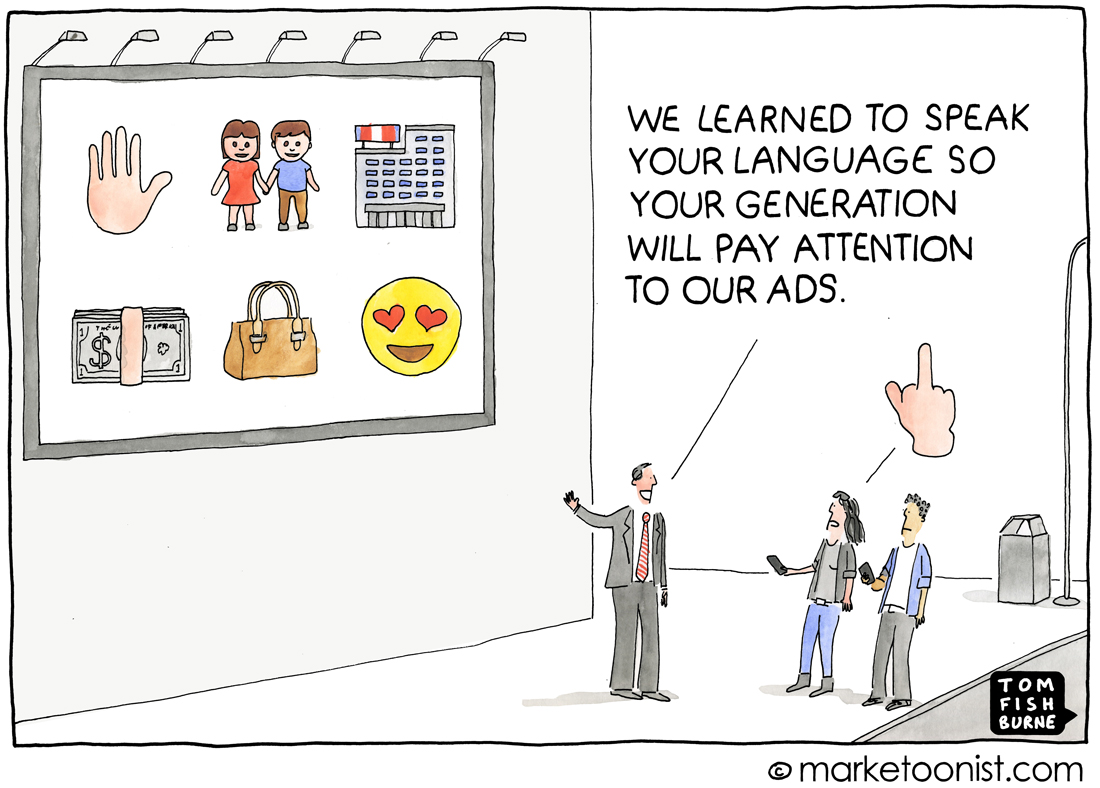
Research shows that Gen Z pass are quicker to pass judgement than previous generations. They have developed a strong filter of what they are interested in viewing and/or engaging with and determine this within just 8 seconds of viewing content. Thus, it’s crucial to create media that is straight to the point, immediately engaging and something they can resonate with.
-
BeReal
What image are you showcasing to candidates and how does it match up to reality? It’s important to be honest in your communications as Gen Z conducts lots of research to understand who you are as an organisation and whether they will fit in. If you speak about diversity, but this is not reflected in your managerial roles, for instance, they will query your claims. Honesty in your ambitions about achieving things such as diversity will be appreciated.
-
Anticipate reneges
Reneges are a key challenge for employers, so it’s worth having activity and content ready to roll out as part of a strategic keep warm campaign. At 106 Comms we are experts in both student recruitment and internal comms which gives us a unique position to support brands in engaging with this highly valuable “almost employee” audience at a critical time. Treating your offerees as one homogenous group with your comms risks losing talent that has specific and sometimes unique concerns. The opportunity to incorporate personalised comms and engagement in the offer period is key.
Considerations for Assessment
-
Stand out
Students are no longer tied to one location for graduate schemes and apply far more geographically and to more firms than pre-pandemic. Therefore, they experience many of the same processes simultaneously. Stand out by differentiating yours. Questions to ask include: Has the candidate been able to demonstrate what they know? Does their experience in assessment process make it more likely they’ll accept an offer?
Gamifying the process or including video interviews is a good way to stand out. Students also prefer a longer one-stop application process rather than one they must continually return to. In fact, this causes the biggest drop-offs.
-
Use blended assessments
Previously, candidates experienced hurdle-style assessment processes; despite being ‘cost effective’, recruiters were forced to base their decisions off isolated information. Blended assessments, on the other hand, provide a richer wealth of data. Further, minority demographics tend to perform lower on specific types of assessment, so removing these may increase diverse hiring (Cottrell et al., 2015).
2023 is well underway, but it’s not too late to implement new methods of attraction and assessment. We are no longer limited by COVID restrictions, students are applying far more widely than before and diversity is a key challenge for employers. This is an exciting time, albeit unprecedented, for graduate recruiters. Yes, there is a tougher competition to attract top talent but if you play your cards right and use an assessment method that stands out and keeps applicants warm, you will succeed in improving your workforce. Still, messaging must be sensitive to nuances in the communities of those you wish to attract. Not all Black Heritage students value the same things and students in small areas such as Cambridge and Bristol require alternative comms to those in London.
At 106 Communications we have a wealth of experience in helping employers design campaigns to attract excellent and diverse student talent. Using insight-driven creativity, we can help tap into those hard-to-reach communities, ensuring you stand your ground in the student marketplace.
Written by Millie Finch, Account Executive